



Pitru Tarpan
Offerings of gratitude and remembrance to departed ancestors, honouring their blessings and our roots.
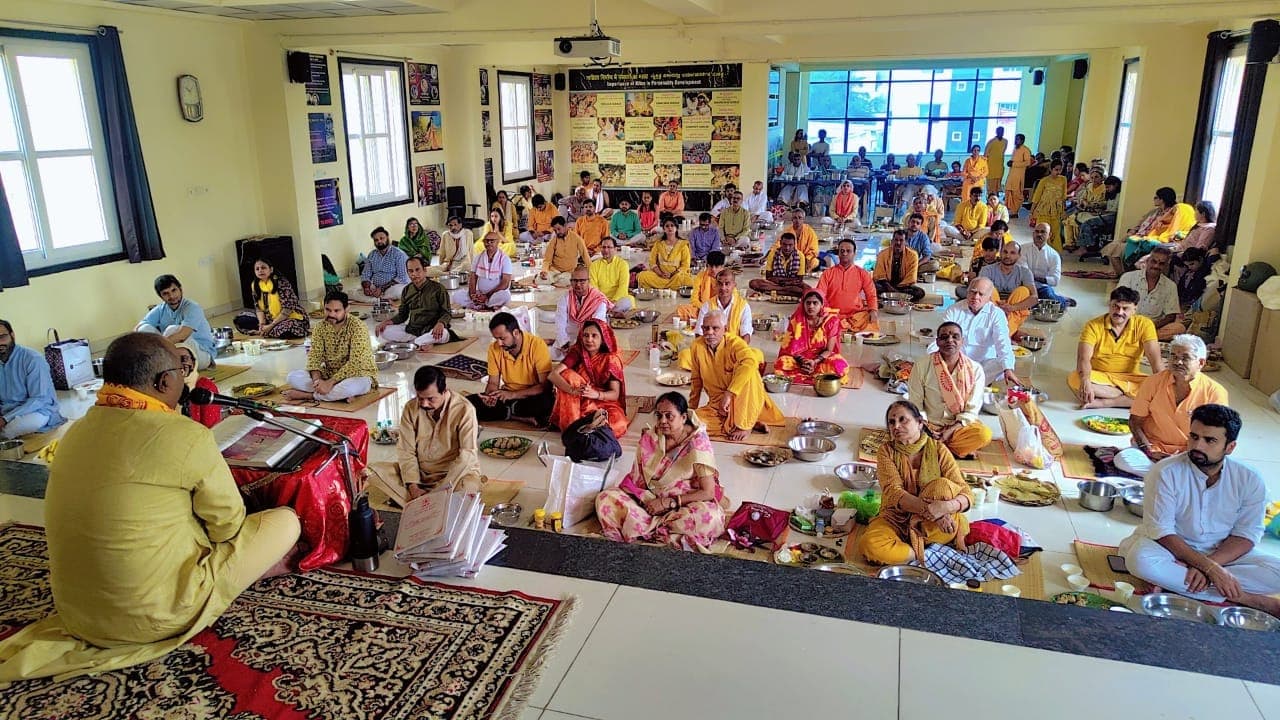
Pitru Tarpan Sanskar is an ancient practice of expressing gratitude, remembrance, and reverence toward one's ancestors. In the Indian wisdom tradition, an individual is not viewed as an isolated being but as a living link in an unbroken chain of generations. Our body, values, knowledge, opportunities, and even many life circumstances are shaped by those who came before us. The word Tarpan means "to offer with reverence and satisfaction." Through prayers, remembrance, gratitude, charity, and sacred offerings, individuals acknowledge their ancestral lineage and consciously strengthen their connection with their roots. Indian scriptures describe this as the fulfillment of Pitru Rin—the debt of gratitude owed to one's forefathers. Thus, Pitru Tarpan is not merely a ritual for the departed; it is a profound practice of remembrance, gratitude, responsibility, and continuity of family values across generations.
Why it matters
Pitru Tarpan reminds individuals to live a life worthy of respect, values, and remembrance. It nurtures gratitude toward parents, elders, teachers, and all those whose efforts contributed to our existence and growth. The ritual encourages detachment from excessive grief and promotes emotional acceptance of the cycle of life and death. It also inspires people to carry forward family values, moral conduct, self-discipline, and service to society. According to the traditional understanding reflected in the text, Tarpan is not limited only to one's immediate ancestors but extends to sages, divine personalities, noble souls, and even all living beings — fostering universal compassion, collective responsibility, and higher consciousness. In an age of rapid urbanization, nuclear families, and increasing disconnection from family history, many individuals experience a growing sense of rootlessness and loss of identity. While material progress has accelerated, awareness of our lineage, heritage, and intergenerational wisdom has often diminished. Pitru Tarpan Sanskar reminds us that we are beneficiaries of countless visible and invisible contributions made by previous generations. It offers an opportunity to remember family values, honour sacrifices, heal unresolved emotions, and cultivate gratitude toward those whose efforts shaped our lives. Indian philosophy teaches that life is a continuous journey of the soul and that family lineages carry not only biological inheritance but also संस्कार, duties, and collective memories. Whether understood spiritually or symbolically, remembering our ancestors strengthens our sense of belonging, responsibility, and continuity. In a time when loneliness, family fragmentation, and value conflicts are increasing, Pitru Tarpan serves as a powerful annual practice for reconnecting with our roots, preserving family culture, and passing wisdom to future generations. It transforms remembrance into responsibility and gratitude into meaningful action.
Scientific perspective
From a psychological perspective, remembrance rituals like Pitru Tarpan help individuals process grief, emotional loss, and unresolved emotions in a healthy manner. Practices involving gratitude, prayer, reflection, and symbolic offerings create emotional closure, inner peace, and mental stability. Neuroscience and behavioral studies suggest that gratitude-based rituals strengthen emotional resilience, social bonding, empathy, and value-based decision-making. Family remembrance traditions also reinforce identity, belongingness, and intergenerational connection, which positively impact emotional well-being and social behavior. Collective rituals further create emotional support systems and strengthen cultural continuity within families and communities.
Benefits
Develops gratitude, humility, and respect toward ancestors and elders.
Helps in emotional healing, grief processing, and mental acceptance.
Strengthens family values, cultural roots, and spiritual awareness.
Encourages righteous living and responsible conduct.
Creates emotional connection across generations.
Inspires compassion, service, and collective consciousness.
Promotes inner peace, emotional balance, and mindfulness.
Reinforces remembrance of sacrifices, wisdom, and family legacy.
Helps individuals reflect on life, mortality, and higher purpose.
Builds a harmonious family and socially responsible mindset.
Hold this Sanskar at your home
Trained volunteers at AWGP Bengaluru performs this Sanskar.
Get in touch